

Understanding Fly Screens for Patio Doors
What is a Fly Screen for Patio Doors?
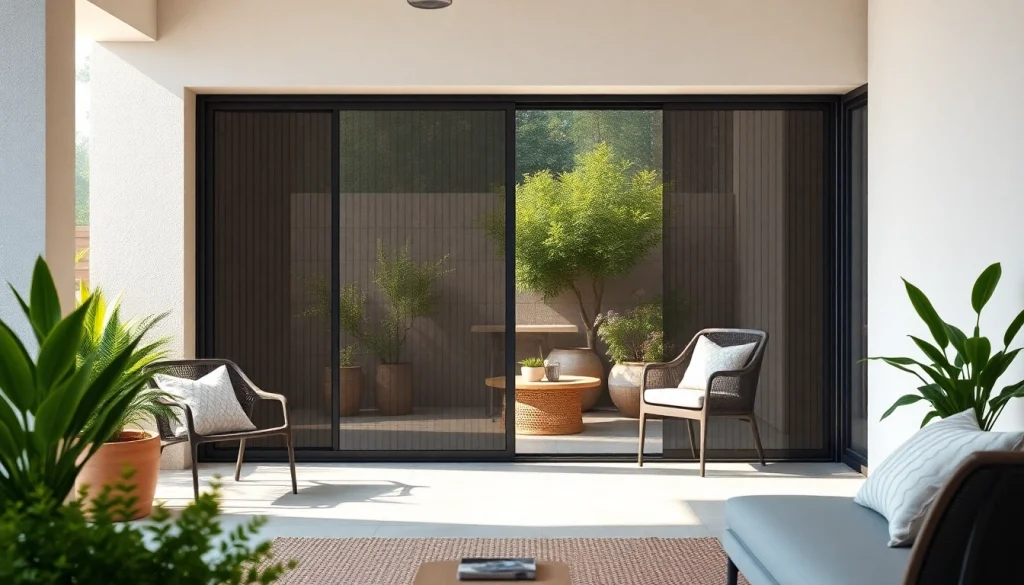
A fly screen for patio doors is a mesh barrier designed to fit within or over the openings of patio doors, allowing fresh air to enter while preventing insects from coming inside. Typically made from durable materials such as fiberglass or aluminum, these screens can either be fixed or retractable. They serve as a vital component for homeowners looking to enjoy their outdoor space without the nuisance of pests.
Benefits of Installing a Fly Screen
The installation of a fly screen for patio doors offers numerous benefits:
- Insect Protection: The primary function is to keep bugs like flies, mosquitoes, and other pests out, ensuring a comfortable living environment.
- Enhanced Airflow: Unlike traditional doors, fly screens allow natural ventilation, keeping homes cool during warmer seasons.
- Clarity and Visibility: Most fly screens are designed to maintain visibility exteriorly, ensuring unobstructed views of your outdoor area.
- Energy Efficiency: By allowing fresh air in and doing away with the need for air conditioning, fly screens can contribute to reduced energy bills.
- Safety: They act as a physical barrier that prevents animals or small children from opening the door unintentionally.
Choosing the Right Material
Choosing the right material for your fly screen is crucial for functionality and durability. Common materials include:
- Fiberglass: Lightweight, flexible, and rust-resistant, making it a popular choice for residential fly screens.
- Aluminum: More robust than fiberglass, offering long-lasting durability and a premium look.
- Stainless Steel: Ideal for high-end installations; they provide exceptional durability and are corrosion-resistant.
- Pet Screens: Heavy-duty screens explicitly designed to withstand scratches and damage caused by pets while still keeping insects at bay.
When selecting a material, consider factors such as your environment, expected weather conditions, and aesthetic preferences.
How to Measure for Your Fly Screen for Patio Doors
Essential Measuring Tools
Getting the correct measurements is vital for a proper fit. Essential tools include:
- Measuring Tape: A flexible measuring tape will allow you to take accurate measurements of the door opening.
- Pen and Paper: Use these to record your measurements and ensure that you don’t forget details.
- Level: To ensure your measurements are straight and even, a level will help avoid any pitfalls when fitting the screen.
Step-by-Step Measurement Guide
Follow these steps to accurately measure your patio door:
- Measure the Width: Measure from the inside edge of the door frame on one side to the opposite side.
- Measure the Height: From the top inside edge of the door frame to the bottom edge.
- Check Diagonal Measurements: Measure from corner to corner. Ensure both diagonals are equal; this checks for square frames.
- Note Any Obstructions: Identify places where the screen might come into contact with any fixtures like handles or locks.
Common Mistakes to Avoid
Here are some common mistakes when measuring:
- Not double-checking measurements, which can lead to a poor fit.
- Ignoring obstructions in the frame.
- Failing to account for any screen frame thickness in final measurements.
Installation Process for Fly Screens
Preparing Your Patio Door
Before proceeding with installation, ensure the area around the patio door is clean. Remove any dust, dirt, or loose paint, as these can affect the adhesion of your screen or interfere with the tracking of a retractable screen.
DIY Installation Tips
If you choose to install the fly screen yourself, follow these general guidelines:
- Follow Manufacturer Instructions: Always refer to the specific guidelines that accompany your fly screen.
- Use the Right Tools: Ensure you have the necessary tools such as screws, a screwdriver, and brackets.
- Work Methodically: Start from one corner and ensure that the screen remains taut and level throughout the installation process.
When to Hire a Professional
While many installations can be done DIY-style, consider hiring a professional if:
- You’re dealing with non-standard patio door sizes that require advanced adjustments.
- There’s a complicated installation process due to unique door structures.
- You’re uncomfortable with DIY projects or lack the necessary tools.
Maintenance Tips for Fly Screens
Cleaning Your Fly Screen Regularly
To maintain clarity and avoid insect build-up, regular cleaning is essential. Use a soft brush or cloth and mild soap mixed with water. Gently wipe the screen’s surface and rinse with clean water.
Repairing Common Issues
Common issues may include torn mesh or bent frames. For fabric tears, replacing the mesh is often straightforward. For frame damage, evaluate whether a simple bend can be fixed or if full replacement is needed.
Longevity of Your Fly Screen
To ensure a longer lifespan for your fly screen, avoid leaving it exposed to harsh weather conditions when not in use. Consider removing them during heavy storms or harsh winter periods and store them in a secure, dry place.
Frequently Asked Questions about Fly Screens for Patio Doors
What is the cost of a fly screen for patio doors?
The cost varies based on size and material but typically ranges from £50 to £200.
Can a fly screen for patio doors be custom-made?
Yes, many manufacturers offer customizable options for unique door sizes.
How do I install a fly screen myself?
Carefully measure your doors, purchase the right size, and follow installation instructions.
Are fly screens for patio doors effective against insects?
Yes, they effectively block insects while allowing airflow into your home.
Can fly screens be repaired if damaged?
In many cases, minor damages can be repaired with replacement mesh sections.