
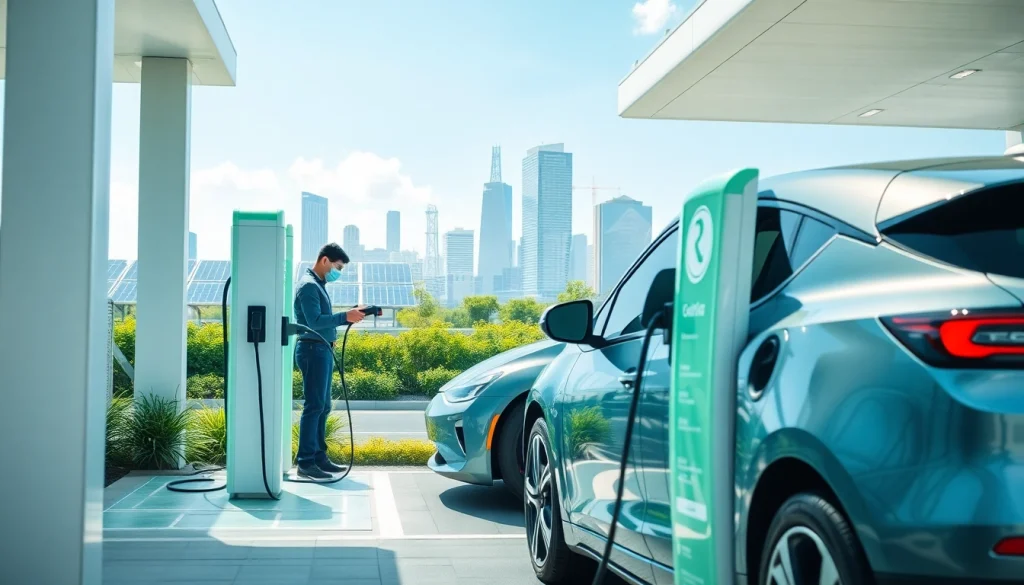

Understanding EV Charging Installation
What is EV Charging Installation?
EV Charging Installation refers to the setup and configuration of charging stations designed to replenish the batteries of electric vehicles (EVs). These installations can vary in complexity, from residential units to widespread commercial networks. As the adoption of electric vehicles increases, efficient and reliable charging infrastructure becomes essential to support this transition, improve convenience for EV users, and promote climate-friendly transportation solutions. For those interested in details on professional setup, EV Charging Installation services provide comprehensive solutions tailored to diverse needs.
The Importance of EV Charging Infrastructure
Developing robust EV charging infrastructure is crucial for widespread EV adoption. With a sufficient network of charging stations, consumers can feel more confident transitioning from traditional gasoline vehicles to electric ones. This infrastructure supports the growth of renewable energy and reduces reliance on fossil fuels, contributing to environmental sustainability.
Additionally, it plays a significant role in supporting fleet management for businesses transitioning to electric solutions, enhancing their operational efficiency and sustainability goals. Furthermore, well-planned EV Charging Installation increases property value and can serve as a considerable competitive advantage for businesses looking to attract eco-conscious consumers.
Types of EV Charging Stations
EV charging stations are classified into three primary categories, each catering to different needs based on charging speed and application:
- Level 1 Charging Stations: These utilize a standard 120V outlet, making them suitable for residential installations. Charging speeds are relatively slow, offering a full charge overnight for most electric cars.
- Level 2 Charging Stations: Operating at 240V, these stations are typically found in commercial settings. They provide faster charging speeds, making them ideal for both businesses and public charging applications.
- DC Fast Charging Stations: These high-powered stations provide rapid charging capabilities, enabling drivers to charge their vehicles significantly faster. They are most often located in public charging locations along highways to facilitate long-distance travel.
Planning Your EV Charging Installation
Assessing Site Requirements
Proper planning is essential for a successful EV Charging Installation. Begin by assessing the site requirements, including available space, electrical capacity, and accessibility. Evaluate whether the location can integrate the necessary hardware without encroaching on safety regulations or existing infrastructure.
Factors such as traffic patterns, average dwell times, and the proximity to other amenities can enhance user experience and increase charge station utilization. Conducting a comprehensive site assessment will help pave the way for a smooth installation process.
Choosing the Right Charging Equipment
Selecting the suitable charging equipment is vital in meeting the unique needs of the installation site. Considerations include the types of EVs most likely to utilize the station and their charging capabilities. Additionally, prioritize durability, maintenance needs, and user-friendly interfaces. Researching and selecting equipment that aligns with local charging standards ensures compatibility and provides a seamless experience for users.
Understanding Local Regulations and Incentives
Every installation must abide by local regulations and building codes concerning electrical work and equipment placement. Additionally, many regions offer incentives, rebates, or grants for businesses supporting EV infrastructure. Familiarize yourself with these potential financial benefits to optimize your installation investment.
Consulting with local authorities can clarify any specific legislation that may impact installation, helping ensure compliance and financial prudence.
Key Steps in the Installation Process
Site Preparation and Setup
Preparing the site for installation requires careful planning and coordination. Clear the installation area of any obstacles and ensure accessibility for installation teams. Conduct necessary groundwork, including trenching for electrical lines if needed. Have a signed work plan that outlines steps, timelines, and any required permits in place before beginning construction.”
Electrical Upgrades and Safety Measures
Depending on the charging equipment selected, electrical upgrades may be necessary to ensure compatibility and operational efficiency. Evaluate the facility’s current electrical infrastructure to determine if enhancements are required, such as circuit upgrades or transformer installations. Prioritize safety by conforming to all electrical and construction safety standards during the installation process.
Installation and Testing Procedures
The installation phase involves connecting the charging equipment to the power supply per the manufacturer’s specifications and local regulations. Once physically installed, the equipment must undergo thorough testing to confirm functional performance, safety compliance, and user interface operations. Upon successful testing, conduct any required inspections for regulatory approval and begin implementation for user access.
Maximizing the Benefits of EV Charging Installation
Benefits for Businesses and Employees
Integrating EV charging stations into a business model offers numerous benefits. For business owners, having charging infrastructure attracts eco-conscious consumers and employees who own electric vehicles. This can enhance loyalty, improve employee satisfaction, and reduce turnover rates.
Moreover, operational costs may decrease as electric vehicles can be cheaper to maintain compared to traditional vehicles and potential tax benefits from offering EV charging services can also bolster a company’s bottom line.
Promoting Sustainability and Community Impact
Implementing EV Charging Installation significantly contributes to regional sustainability efforts. Businesses adopting such infrastructure reduce greenhouse gas emissions, promote clean energy use, and support local economies by encouraging EV adoption. This positions businesses as leaders in sustainability within their communities, making a positive social impact.
Enhancing Customer Experience
Having charging stations readily available enhances the overall customer experience. Providing charge facilities allows customers to recharge while engaging in shopping or during events, creating a convenient and efficient experience. Additionally, this feature creates a unique selling proposition, potentially attracting new customers who prioritize sustainability.
Measuring Success After Installation
Performance Metrics and Analysis
Post-installation, measuring the success of the EV charging infrastructure is essential for evaluating investment value. Key performance indicators (KPIs) to analyze include station usage metrics, user feedback, downtime reports, and the carbon offset achieved by reduced fossil fuel reliance. Regular data analysis helps guide improvements and adjustments for future installations.
Feedback from Users
Gathering user feedback is crucial to assessing the functionality and convenience of installed charging stations. Surveys, mobile app data, and direct communication with users can provide valuable insights into their experiences and how the stations meet their needs. This feedback can highlight areas for improvement and inspire customer-focused enhancements.
Identifying Opportunities for Improvement
Continually seeking opportunities for improvement helps maintain the effectiveness and efficiency of EV Charging Installation. Analyze performance metrics alongside user feedback to inform decisions about equipment upgrades, additional charging station placements, and potential partnerships with local businesses. A proactive approach ensures continued relevance and effectiveness of charging infrastructure.
Frequently Asked Questions
What are the different types of EV chargers?
The three main types are Level 1 chargers (slow, typically household units), Level 2 chargers (faster, often seen in commercial spaces), and DC fast chargers (very quick, designed for public charging stations).
How long does it take to install an EV charging station?
Installation duration varies based on site requirements but typically ranges from a few hours to a few days, including site preparation and permitting.
Can I install an EV charger at home?
Yes, homeowners can install Level 2 chargers at their residences, provided they assess their electrical capacity and comply with local regulations.
Are there incentives for installing EV charging stations?
Many regions offer financial incentives, tax credits, and rebates to encourage the installation of EV charging stations to promote sustainable transportation.
How do I choose the right EV charging station for my business?
Consider your customer demographics, charging speed needs, space availability, and compliance with local regulations when selecting an appropriate charging station for your business.