
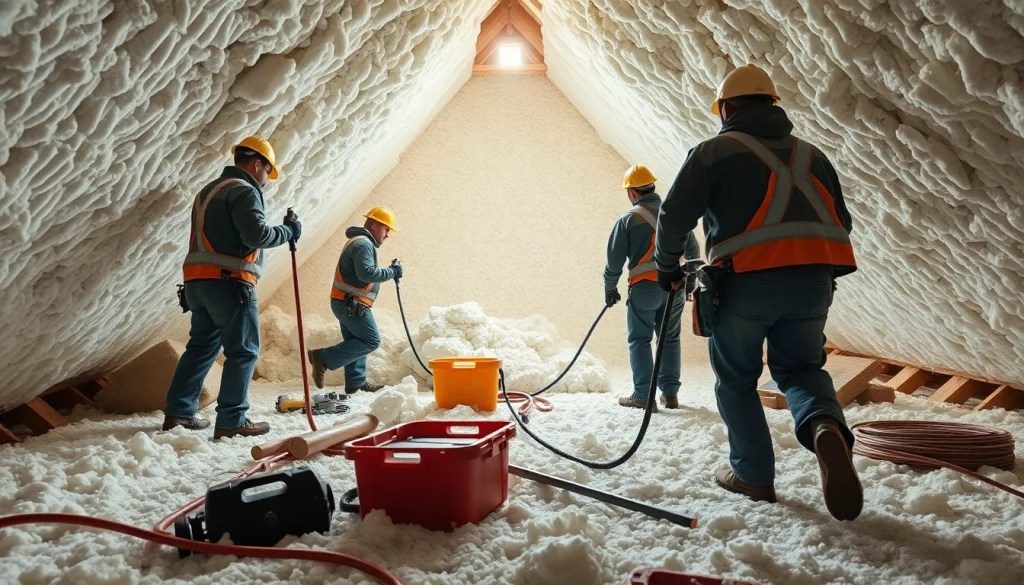

Understanding Spray Foam and Its Uses
What is Spray Foam?
Spray foam insulation is a type of insulation material that is sprayed onto surfaces to form an effective barrier against heat transfer and air infiltration. Made from a mixture of isocyanate and polyol resin, spray foam expands upon application, filling gaps and crevices. This unique property allows it to provide superior insulation compared to traditional materials, such as fiberglass or cellulose. It is commonly used in residential and commercial buildings, making it a popular choice for new construction and renovation projects.
Benefits of Using Spray Foam
The benefits of spray foam insulation go beyond just thermal resistance. Here are some key advantages:
- Energy Efficiency: Spray foam reduces energy costs by creating a seamless insulation barrier that prevents air leaks, making buildings more energy-efficient.
- Mold Resistance: Due to its moisture resistance, spray foam reduces the risk of mold growth, which can otherwise lead to health problems.
- Sound Reduction: Spray foam insulation is excellent for soundproofing, helping to reduce noise pollution from outside and between rooms.
- Durability: Once applied, spray foam insulation has a long lifespan with minimal maintenance required, lasting many decades.
- Versatile Application: Its ability to expand makes it useful for various applications, from attics to crawl spaces, ensuring consistent insulation coverage.
Common Applications of Spray Foam
Spray foam can be used in multiple areas within residential and commercial structures. Some common applications include:
- Attics: Effective for insulating attic spaces, preventing heat loss in winter and heat gain in summer.
- Walls: Applied in exterior and interior walls to enhance insulation and energy efficiency.
- Crawl Spaces: Helps in sealing and insulating crawl spaces, preventing moisture buildup.
- Roofs: Used for roof insulation and waterproofing, offering protection against leaks.
- Commercial Buildings: Widely used in warehouses and industrial buildings for thermal control.
Signs You Need Spray Foam Removal Portsmouth
Identifying Issues with Spray Foam Insulation
Over time, spray foam insulation can deteriorate or become ineffective. Signs that indicate it may be time for a spray foam removal Portsmouth include:
- Visible Damage: Cracks, peeling, or excessive wear on the foam are indicators that it needs removal.
- Moisture Issues: Signs of water damage or mold growth can signify that existing foam is allowing moisture intrusion.
- Pest Infestations: Insects or rodents using foam as nesting material indicate compromised insulation.
Health Risks Associated with Old Foam
Old or damaged spray foam can pose significant health risks. Inhalation of off-gassing chemicals from deteriorating foam can lead to respiratory issues. Additionally, mold growth within compromised insulation can exacerbate allergies and other health conditions. It’s critical to evaluate the condition of spray foam insulation regularly, as prolonged exposure to these elements may be harmful.
Impact on Property Value
The condition of spray foam insulation can affect a property’s market value. Potential buyers are often wary of properties with visible insulation issues or those that appear poorly maintained. If removal becomes necessary, considering the long-term benefits of engaging in appropriate spray foam removal Portsmouth procedures will mitigate financial losses during property transactions.
Best Practices for Spray Foam Removal Portsmouth
Tools and Equipment Used
Proper spray foam removal requires specific tools and equipment to ensure safe and efficient handling. Key tools include:
- Protective Gear: Gloves, goggles, and respirators to shield against potentially harmful chemical exposure.
- Utility Knife: Essential for cutting away foam safely and effectively.
- Scraping Tools: For removing stubborn residue from surfaces without damage.
- Vacuum System: To eliminate debris and dust created during removal.
- Foam Removal Kits: Specialized chemicals designed for breaking down spray foam material.
Step-by-Step Removal Process
The removal process of spray foam insulation should be carried out methodically to minimize risks and enhance efficiency. Here’s a step-by-step guide:
- Assessment: Inspect the area to evaluate the extent of removal necessary.
- Preparation: Clear the workspace of any obstacles and put on protective gear.
- Cutting: Use a utility knife to score the foam, creating sections that can be easily removed.
- Scraping: Employ scraping tools to lift the foam away from surfaces.
- Cleaning: Use vacuum systems to remove dust and debris from the area to ensure cleanliness.
- Disposal: Safely dispose of the removed foam according to local regulations.
Safety Precautions to Follow
Safety should always be a priority during removal tasks. Follow these precautions:
- Ensure adequate ventilation in the workspace to avoid inhalation of harmful aerosols.
- Always wear protective gear, including gloves and masks.
- Check for electrical wires or plumbing before cutting into foam to prevent accidents.
- Handle all removal chemicals carefully, adhering to manufacturer guidelines.
- Allow adequate time for the workspace to air out following removal before re-entering.
Cost Factors for Spray Foam Removal Portsmouth
Average Costs Incurred
The cost of spray foam removal in Portsmouth can vary based on several factors, including the size of the area, type of foam, and complexity of removal. On average, homeowners can expect to pay between £1,500 and £3,500 for complete removal. It’s essential to obtain multiple quotes from professionals to ensure you receive fair pricing.
How to Get Accurate Estimates
To obtain an accurate estimate for spray foam removal Portsmouth, consider the following steps:
- Request assessments from multiple service providers.
- Provide detailed information regarding the area needing removal.
- Inquire about specific costs related to labor, disposal, and any additional equipment needed.
- Discuss any potential complications that may affect the removal process.
Budgeting for Foam Removal
When budgeting for spray foam removal, factor in not only the direct costs of labor and materials but also potential contingencies. Allocating an additional 15-20% of your estimated budget for unexpected expenses will provide a financial cushion. Prioritizing effective planning and budgeting will lead to a smoother removal process.
Frequently Asked Questions About Spray Foam Removal Portsmouth
How long does spray foam removal take?
The duration for spray foam removal depends on the area involved but typically ranges from a few hours to several days depending on the scope of the project.
Can I do the removal myself?
While DIY removal is possible, it is advised to hire professionals due to safety concerns and the potential complexities involved in the process.
Are there environmental concerns?
Yes, improper disposal of spray foam can have environmental impacts. Always follow local regulations for disposal to mitigate these concerns.
What will happen if I ignore issues?
Ignoring spray foam issues can lead to health risks, mold growth, and decreased property value. Timely removal is crucial for maintaining a safe environment.
What is the best way to find professionals?
Research local professionals through online reviews, ask for recommendations, or check local directories to find reliable service providers.