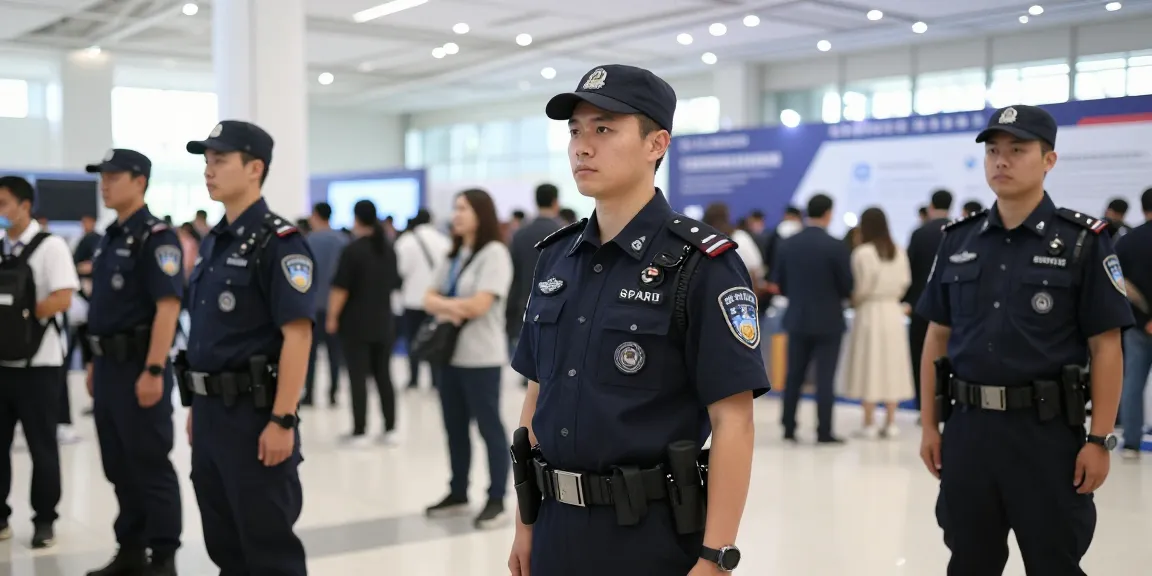
Understanding the Importance of a Personal Security Guard
In an increasingly uncertain world, ensuring safety and security has never been more critical. Whether for high-profile individuals, executives, or personal safety at large events, the role of a personal security guard has become paramount. They act as a first line of defense against potential threats, and their presence can deter criminal activity. In this section, we explore what personal security guards are, their key responsibilities, and the significant benefits they provide to individuals and organizations alike.
What is a Personal Security Guard?
A personal security guard is a trained professional responsible for the protection of individuals, their property, or specific locations. They may be employed by private individuals, businesses, or organizations to enhance safety and security. These guards are trained to assess risks, respond to emergencies, and implement security protocols. Their roles can be tailored to meet the specific needs of different clients, ranging from providing a visible security presence to conducting risk assessments and emergency response planning.
Key Responsibilities of Personal Security Guards
- Preventative Measures: Personal security guards are proactive in identifying potential threats and risks, employing strategies to prevent incidents before they occur.
- Monitoring: They conduct regular patrols across premises to ensure there's no suspicious activity or security breaches.
- Emergency Response: In the event of a disturbance or emergency, personal security guards are trained to react swiftly, employing their training to mitigate harm.
- Access Control: They manage and control access to certain areas, ensuring that only authorized personnel are allowed, which is crucial for many businesses and events.
- Surveillance: Utilizing technology, such as cameras, guards can monitor activities, gather evidence, or support investigations.
Benefits of Hiring a Personal Security Guard
Hiring a personal security guard offers numerous advantages:
- Deterrence of Crime: Their visible presence alone can deter potential criminals from targeting a person or business.
- Tailored Security Solutions: Guards can provide specific services customized to individual needs, making security more efficient.
- Emergency Preparedness: They are trained to respond to emergencies, providing peace of mind and a quick response during crises.
- Enhanced Professionalism: A secure environment enhances the professional image of organizations, reassuring clients and customers.
- Knowledge and Expertise: Well-trained guards bring valuable insights regarding safety and security management.
How to Choose the Right Personal Security Guard
Selecting a personal security guard should not be taken lightly. The right choice depends on understanding your specific needs and ensuring the individual’s qualifications match those needs. This section covers key steps in assessing your security requirements and finding the right fit for your situation.
Assessing Your Security Needs
The first step in hiring a personal security guard involves a comprehensive assessment of your security needs:
- Identify Vulnerabilities: Conduct a thorough analysis of potential security threats related to your personal life or business operations.
- Define Access Areas: Determine which areas require controlled access, whether it’s your home, office, or events.
- Understand Your Objectives: Clarify what you wish to achieve with security personnel. These could range from personal safety to asset protection.
Qualifications and Training to Look For
When hiring a personal security guard, checking their qualifications is crucial. Look for the following:
- Certifications: Ensure they have credentials in first aid, CPR, and relevant security services. Specialized training may also be pertinent.
- Experience: Evaluate their history and reliability in previous roles, particularly regarding your specific security needs.
- Communication Skills: Effective communication is essential in security roles, especially in emergencies.
Conducting Background Checks
Before bringing a personal security guard on board, a comprehensive background check is not only advisable but essential. This process minimizes risks, ensuring that you hire someone trustworthy:
- Criminal History: Ensure the individual has no criminal background that could pose a risk.
- References: Ask for and verify references from previous employers or clients to gauge their performance.
- Professional Records: Check their training certificates and any specialized skills relevant to the role.
The Impact of Technology on Personal Security Guard Services
Technological advancements profoundly influence the effectiveness of personal security guards. This section delves into how technology integrates with personal security to enhance safety.
Using Surveillance Systems to Enhance Safety
Surveillance systems are a pivotal part of modern security strategies. They provide a visible deterrent, as well as a means to monitor activities in real-time:
- Camera Systems: Installing CCTV cameras allows continuous monitoring of premises.
- Remote Access: Many modern systems permit remote viewing via smartphones, aiding in real-time management and incident response.
- Data Storage: Digital systems can store footage, which is crucial for investigations and assessments.
Communication Devices for Security Personnel
Effective communication is key to security operations:
- Two-Way Radios: These devices allow for instant communication between security personnel, ensuring rapid response to incidents.
- Mobile Applications: Security management apps facilitate coordination and incident reporting, improving overall responsiveness.
- Emergency Features: Many modern devices come with emergency alert features, which can be activated discreetly by the guard if necessary.
Integrating Personal Security Guards with Smart Technologies
The integration of personal security guards with smart technologies enhances overall effectiveness:
- Smart Locks: Guards can oversee access control systems that utilize biometrics or mobile access protocols.
- IoT Devices: Integration with Internet of Things (IoT) systems allows guards to monitor various environmental factors, including safety alerts from fire alarms or carbon monoxide detectors.
- Data Analysis: Utilizing technology enables the collection of data that guards can analyze to identify patterns and address vulnerabilities proactively.
Best Practices for Working with a Personal Security Guard
To maximize the effectiveness of security personnel, it’s essential to establish a strong working relationship. Below are best practices when engaging a personal security guard.
Establishing Clear Communication Protocols
Establishing solid communication protocols enhances clarity and efficacy:
- Regular Meetings: Schedule regular check-ins to discuss security strategies, incidents, or emerging threats.
- Feedback Mechanism: Create a system that encourages feedback, allowing the guard to communicate observations or concerns.
Defining Boundaries and Expectations
Transparency about expectations helps guards perform their duties effectively:
- Job Description: Clearly outline the guard's responsibilities, hours, and protocols.
- Personal Boundaries: Discuss personal and professional boundaries to ensure mutual respect and professional conduct.
Regular Training and Drills for Effective Security
Security is dynamic and constantly evolving. Regular training keeps guards updated on best practices and new threats:
- Routine Drills: Conduct simulated incidents to test readiness and response strategies.
- New Strategies: Keep guards informed about new threats or changes in security approaches, such as legal requirements or technological advances.
Frequently Asked Questions about Personal Security Guards
What is the average cost of hiring a personal security guard?
The costs can vary based on experience and location, typically ranging from $15 to $50 per hour, depending on the guard’s qualifications and duties.
How can a personal security guard improve safety in my business?
A personal security guard can provide a visible presence, deter crime, respond to emergencies, and offer tailored security solutions for your business.
What qualifications should a personal security guard have?
Look for guards with certifications in first aid, CPR, and specialized security training, alongside a good track record and clean background.
Are personal security guards armed?
Personal security guards can be armed or unarmed, depending on the service requirements and legal regulations of the area they operate in.
How to effectively communicate with my personal security guard?
Establish clear communication channels, schedule regular check-ins, and encourage open dialogues about any safety concerns or feedback.