
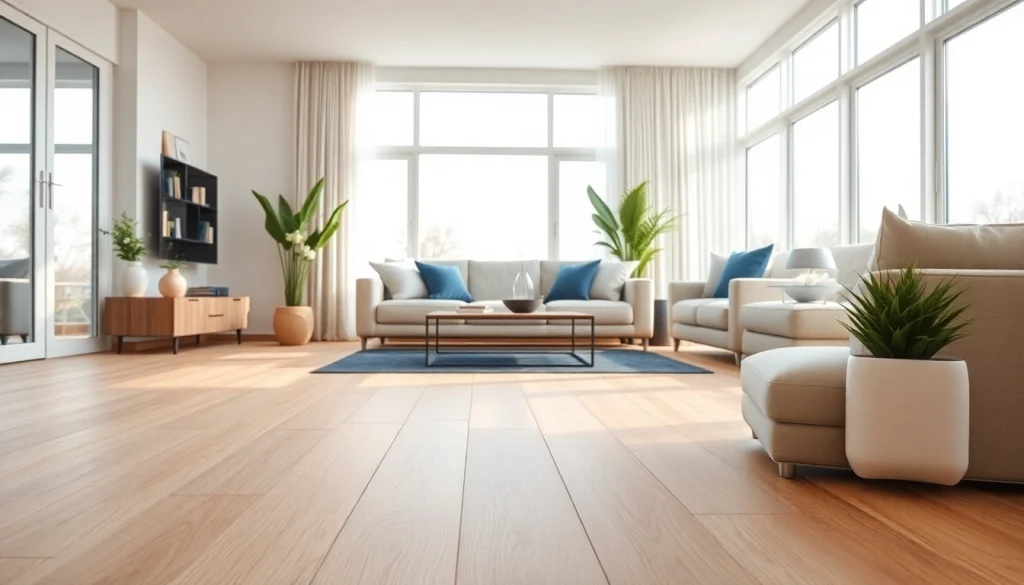

Understanding Flooring LVP
What is Flooring LVP?
Flooring LVP, or Luxury Vinyl Plank, is an innovative flooring solution designed to mimic the appearance of natural materials such as hardwood and stone while offering significantly enhanced durability. Made from several layers of synthetic materials, LVP combines both modern manufacturing techniques and aesthetic appeal. This flooring type is ideal for homeowners seeking a balance between style and functionality. It has become increasingly popular for its versatility, affordability, and ease of installation. For those considering new flooring, flooring lvp represents a compelling choice that meets a variety of needs.
Key Characteristics of Flooring LVP
Flooring LVP is characterized by several key features that make it stand out among flooring options. These characteristics include:
- Water Resistance: Many LVP products are designed to be waterproof or water-resistant, making them suitable for areas prone to moisture, such as bathrooms and kitchens.
- Durability: With a robust wear layer, LVP can resist scratches, stains, and scuffs, ensuring it retains its appearance over time.
- Variety of Designs: LVP is available in an extensive range of colors, textures, and styles, offering homeowners the ability to choose a look that complements their decor.
- Comfort and Noise Reduction: LVP often includes a cushioned backing that adds comfort underfoot and helps reduce noise levels within a room.
- Easy Maintenance: Cleaning LVP is typically straightforward, requiring only regular sweeping and occasional mopping to maintain its appearance.
Comparison with Other Flooring Options
When comparing flooring LVP to other options like hardwood, tile, or laminate, it’s essential to weigh various factors such as cost, durability, and aesthetics. For instance, hardwood floors are often considered more prestigious but come with a higher price and susceptibility to damage from moisture. Conversely, laminate flooring can offer a similar look at a lower cost but may not provide the same level of durability or water resistance as LVP. Tile is another popular flooring choice but can be colder underfoot, which might not be desirable for all homeowners. Therefore, flooring LVP often emerges as the preferred choice for those looking for an affordable, stylish, and durable flooring solution.
Benefits of Flooring LVP
Durability and Longevity of Flooring LVP
One of the most significant advantages of flooring LVP is its exceptional durability. Unlike traditional wood floors that may warp or fade over time, LVP is engineered to withstand heavy foot traffic, making it an excellent choice for busy households. The top layer of flooring LVP is designed specifically to resist scratches and stains, ensuring that surfaces retain their visual appeal for years. This durability translates to a long lifespan, often exceeding 20 years with proper care, making it a wise investment for your home.
Stylish Designs and Aesthetic Appeal
Flooring LVP comes in myriad styles, colors, and textures, imitating the richness of hardwood, the elegance of stone, or the contemporary look of tiles. Thanks to advanced printing technology, manufacturers can produce highly realistic designs that cater to individual tastes. Whether you prefer a rustic wood look or a clean modern aesthetic, there’s likely a flooring LVP option that fits your vision perfectly. This broad selection allows homeowners to maintain cohesive decor themes throughout their spaces effortlessly.
Cost-Effectiveness of Flooring LVP
In terms of cost, flooring LVP is often more affordable than other flooring types such as hardwood or natural stone. The price point makes it accessible for those on a budget without compromising on quality. Additionally, its durability means fewer replacement costs over time, increasing its overall value. Installation costs may also be lower for flooring LVP, especially for DIY enthusiasts who find it easy to work with.
Installation Process for Flooring LVP
Preparation Before Installation
Before installing flooring LVP, proper preparation is crucial to ensure a successful outcome. Begin by measuring the space where you plan to install the planks. Remove any existing flooring and clean the subfloor thoroughly to eliminate dirt and debris. If installing over concrete, check for moisture to avoid potential damage. It’s also recommended to allow the LVP planks to acclimate to the room temperature for at least 48 hours prior to installation, minimizing the risk of expansion or contraction post-installation.
Step-by-Step Installation Guide
- Start with a Level Subfloor: Address any irregularities to create a flat surface.
- Use Underlayment: If required, lay down sound-reducing underlayment for added comfort and insulation.
- Plan Your Layout: Decide on the direction of the planks. Generally, planks should run with the longest wall or the main light source.
- Begin Installation: Place the first plank in the corner of the room, making sure it’s snug against the wall (leaving space for expansion). Continue laying down planks using the click-lock system to secure them.
- Cut for Fitting: Use a utility knife to cut planks to fit around corners, pipes, or other obstacles.
- Finish with Baseboards: Once the floor is laid, reattach or replace baseboards to cover expansion gaps.
Post-Installation Care for Flooring LVP
After installation, it’s essential to take care of your new flooring to preserve its beauty and functionality. Avoid walking on the floor for at least 24 hours to allow adhesive (if used) to properly set. Regular cleaning routines, including sweeping and damp mopping, will help maintain the floor’s appearance. Additionally, use furniture pads to prevent scratches and avoid harsh cleaning chemicals that can damage the surface.
Maintaining Your Flooring LVP
Regular Cleaning Tips
To keep your flooring LVP looking its best, develop a regular cleaning routine. Start by sweeping or vacuuming the floor weekly to remove dust and debris. Every month, damp mop using a cleaner recommended by the manufacturer to prevent buildup. Avoid using steam cleaners, as the steam can warp the planks. Quick clean-ups of spills should be done promptly with a cloth to prevent staining.
Dealing with Scratches and Damage
While flooring LVP is highly durable, it is not entirely scratch-proof. For minor scratches, use a wood filler or a specialized repair kit that matches the color of your flooring. For deeper damage, replacement of the affected plank might be necessary. Learning how to replace a plank can save you time and money while ensuring your floor remains beautiful.
When to Replace Flooring LVP
Although flooring LVP can last for many years, recognize the signs when it may be time for replacement. These may include extensive wear, deep scratches that cannot be repaired, or water damage beyond the surface level. Regular inspections can help catch potential issues early before they necessitate full replacement, helping you maintain an aesthetically pleasing environment.
Frequently Asked Questions about Flooring LVP
Is flooring lvp waterproof?
Many flooring LVP products are designed to be water-resistant and can withstand moisture, but it’s essential to check the specifications for each product to determine its level of water protection.
Can flooring lvp be installed over existing floors?
Yes, flooring LVP can often be installed over existing floors as long as the surface is level, clean, and in good condition. However, certain floor types may require underlayment or additional preparation.
What are the best cleaning products for flooring lvp?
The best cleaning products for flooring LVP are those specifically formulated for luxury vinyl. Avoid abrasive cleaners and stick to gentle, pH-neutral options to maintain the floor’s integrity.
How long does flooring lvp typically last?
With proper maintenance, flooring LVP typically lasts between 10 to 20 years. The lifespan may vary based on usage and the quality of the product installed.
Is flooring lvp suitable for homes with pets?
Yes, flooring LVP is an excellent option for pet owners due to its durability, scratch resistance, and easy maintenance, making it a practical choice for households with animals.