
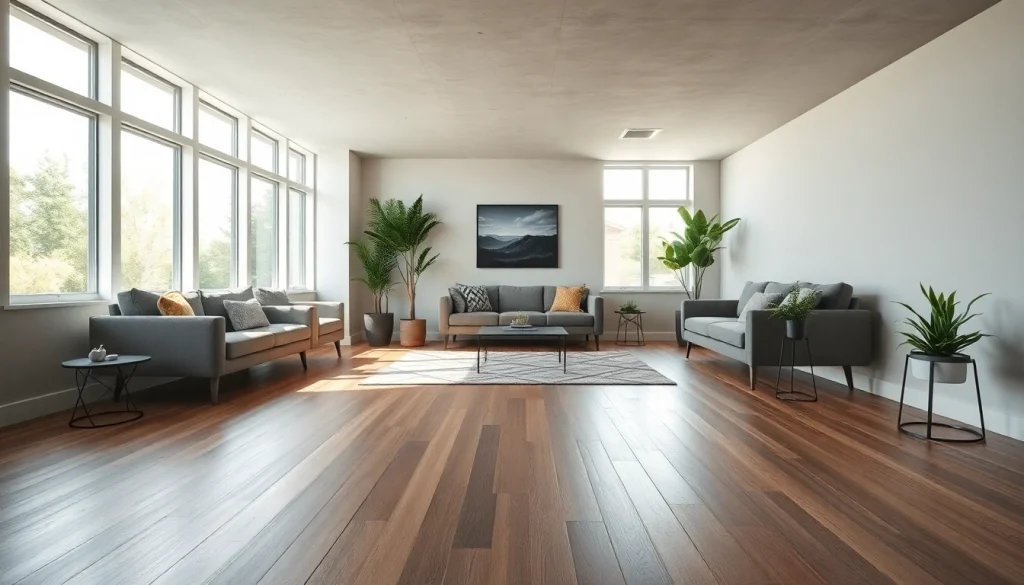

Understanding Basement Renovation Basics
What is Basement Renovation?
Basement renovation refers to the process of upgrading or transforming an unfinished or underutilized basement space in a home into a functional area that serves a specific purpose. This might include converting it into an extra bedroom, a family room, an office, or even a home gym. The goal is to enhance the livability and aesthetic appeal of the space, ultimately increasing the overall value of the property. Homeowners often consider basement renovation for various reasons, including expanding living space and improving home functionality.
Benefits of Renovating Your Basement
Renovating your basement comes with numerous benefits:
- Increased Living Space: One of the most obvious advantages is the additional square footage that can be used for various purposes, accommodating growing families or enhancing entertainment options.
- Improved Home Value: A well-finished basement can significantly increase the market value of your home, making it more appealing to prospective buyers.
- Energy Efficiency: With modern insulation and appliances, renovated basements can enhance energy efficiency, resulting in lower energy bills.
- Customization: Homeowners can tailor the design based on personal preferences and needs, creating a unique space that reflects their lifestyle.
- Potential for Rental Income: A renovated basement can be converted into a separate rental unit, providing income to offset mortgage costs.
Common Challenges in Basement Renovation
While basement renovation offers significant advantages, it also presents various challenges:
- Moisture and Water Issues: Basements are often prone to dampness. Proper waterproofing measures must be taken to prevent mold and structural damage.
- Low Ceiling Heights: Many basements have low ceilings, which can restrict design options and the overall feel of the space.
- Insufficient Lighting: Natural light can be limited; hence, creative lighting solutions are vital to enhance the ambiance.
- Permitting and Code Compliance: Homeowners must navigate local building codes and permits, which can be complicated and time-consuming.
- Budget Overruns: Without careful planning, costs can escalate due to unexpected repairs or changes in design.
Planning Your Basement Renovation Project
Setting a Realistic Budget for Basement Renovation
Establishing a realistic budget is crucial for any renovation project. Start by determining how much you can afford to spend. Consider the extent of the renovation and whether you plan to tackle it yourself or hire professionals. Key components to include in your budget are:
- Materials: Floors, walls, insulation, fixtures, and appliances.
- Labor Costs: If employing contractors, ensure to include their fees.
- Permits: Local regulations may necessitate various permits which can incur costs.
- Unexpected Expenses: Always allocate a portion of your budget for unforeseen issues, such as plumbing or electrical fixes.
This financial planning phase is essential for preventing budget overruns and ensuring a smoother renovation experience.
Choosing the Right Design and Layout
The design and layout of your basement depend largely on its intended use. Whether you envision a cozy living area, a vibrant game room, or a functional workspace, careful design planning will optimize the space. Here are some tips:
- Define Purpose: Clearly establish what activities will take place in the basement.
- Open vs. Closed Spaces: Consider whether you want an open concept or separate rooms for a more structured layout.
- Flow and Accessibility: Design the space to allow for easy movement; avoid cluttering pathways.
- Future Needs: Anticipate future needs and include flexibility in the design to accommodate these changes.
Essential Permits for Basement Renovation
Before commencing any work, it’s vital to check if you require permits. This varies widely by location but often includes:
- Building Permits: Necessary for structural modifications, electrical work, or plumbing changes.
- Electrical Permits: Required for any new wiring or electrical systems installation.
- Plumbing Permits: Needed if adding or relocating bathrooms or kitchens.
- Fire Safety Approvals: Local fire codes may require specific designs, especially for egress windows or fire exits.
Key Steps in the Basement Renovation Process
Preparing the Space for Renovation
Proper preparation is essential for a successful renovation. This includes:
- Clearing the Area: Remove all furniture and unnecessary items to create a blank slate.
- Addressing Water Issues: Check for leaks or existing moisture concerns and address them; consider installing a sump pump if needed.
- Inspections: Have a professional inspect the space for structural integrity, pest problems, and proper airflow.
Taking time to properly prepare the space can save you from future complications and ensure your renovation runs smoothly.
Choosing Materials for Your Basement
Material selection plays a critical role in the aesthetics and functionality of your basement. When choosing materials, consider moisture resistance, durability, and design cohesion. Common materials include:
- Flooring: Popular options include vinyl, laminate, and engineered hardwood that can withstand moisture.
- Walls: Use moisture-resistant drywall or paneling to reduce mold risks.
- Insulation: Close-cell spray foam is often preferred for its effectiveness in damp environments.
- Ceiling: Consider dropped ceilings to allow for easy access to wiring and plumbing without compromising style.
Working with Contractors vs. DIY
When deciding whether to hire professionals or take the DIY route, consider your skills, the project’s complexity, and time constraints:
- Contractors: They bring experience and expertise, ensuring work meets building codes. This may save time in the long run.
- DIY: Taking on the renovation yourself can save costs if you possess the necessary skills but be prepared for a steep learning curve.
Evaluate your priorities and capabilities when making this decision to ensure successful project completion.
Finishing Touches for Your Basement Renovation
Maximizing Natural Light in Your Basement
One of the biggest challenges in basement design is overcoming the lack of natural light. Here are some strategies to combat this issue:
- Egress Windows: Installing egress windows can provide natural light and improve safety standards.
- Light Colors: Use light paint colors on walls and ceilings to enhance brightness.
- Reflective Surfaces: Incorporate mirrors and glossy finishes to help light bounce around the space.
Creating Functional Spaces
Once the construction is complete, focus on functionality. You might create zones dedicated to specific activities such as:
- Entertainment: Use a section for a home theater or game area with seating arrangements.
- Work: Dedicate an area as a home office, equipped with appropriate installations and furniture.
- Relaxation: Incorporate a reading nook or a small bar area for unwinding after a long day.
Decor Tips for a Cozy, Inviting Atmosphere
Creating a warm ambiance is crucial in making your basement feel welcoming. Incorporate:
- Soft Furnishings: Use plush rugs, comfortable sofas, and throw pillows to enhance comfort.
- Cozy Lighting: Layered lighting with floor lamps and wall sconces creates a warm environment.
- Personal Touches: Add artwork, family photos, and decor that reflects your personality for a homely feel.
FAQs About Basement Renovation
How long does a basement renovation typically take?
The duration can range from a few weeks to several months, depending on the project’s complexity and scope.
Do I need a permit for basement renovation?
Yes, many areas require permits for structural changes or significant renovations; check local regulations to ensure compliance.
What are the costs associated with basement renovation?
Costs vary widely based on size, design, and materials; however, budgeting around $20,000 to $50,000 is common for significant renovations.
How do I ensure proper ventilation in my basement?
Install vents, windows, or an HVAC system to maintain air circulation and prevent moisture buildup, ensuring a healthy environment.
Can I add a bathroom during my basement renovation?
Yes, adding a bathroom is a popular choice when renovating a basement and can significantly enhance the overall value of your home.