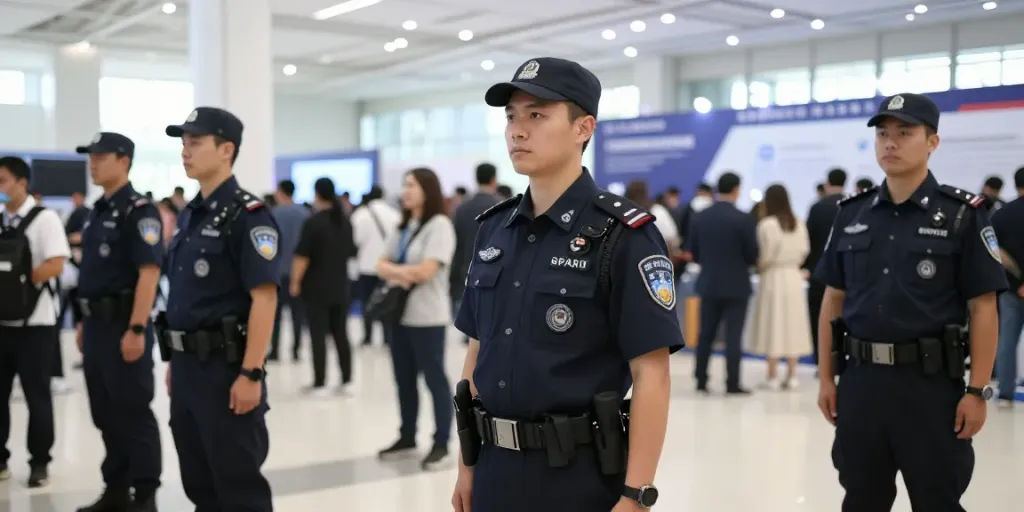
Understanding Corporate Security Services in London
In today's bustling London business environment, the demand for well-structured corporate security services has never been greater. Organizations across various sectors face unique challenges and threats, making it essential to have a robust security framework in place. Given the complexities involved, selecting the right corporate security provider is pivotal, ensuring not only the protection of assets and personnel but also maintaining operational continuity. When exploring options, Corporate Security encompasses a range of services from risk assessments to surveillance, tailored to meet specific needs and safeguard the operational integrity of your business.
What is Corporate Security?
Corporate security refers to the comprehensive measures that organizations implement to protect their assets, personnel, and information from potential threats. This encompasses both physical security, which includes the presence of security personnel, access control measures, and surveillance systems, as well as information security that safeguards against data breaches and cyber threats. In essence, corporate security acts as a shield that prevents breaches, ensuring that businesses can operate smoothly in a safe environment.
Key Services Offered by Professional Security Providers
Professional security providers offer a wide array of services tailored to meet the diverse needs of businesses. Some core services include:
- Risk Assessment: Conducting thorough assessments to identify vulnerabilities and recommend tailored security solutions.
- Manned Guarding: Deploying trained security personnel to monitor premises and manage access control.
- Surveillance Systems: Installing security cameras and monitoring systems to ensure constant vigilance over your assets.
- Event Security: Providing security solutions for corporate events, ensuring a safe environment for all attendees.
- Emergency Response Planning: Developing responses to potential threats or breaches, ensuring swift action can be taken if necessary.
The Role of Corporate Security in Business Operations
Corporate security is integral to the overall business strategy because it enhances operational efficacy. By mitigating risks, companies can focus on their core activities without the looming threat of disruptions. Moreover, having a solid security posture boosts customer confidence as businesses demonstrate their commitment to safety. In a world where data breaches and security threats are rampant, a well-managed security operation can be a significant differentiator for businesses.
Choosing the Right Corporate Security Company
Selecting a reliable corporate security provider goes beyond just comparing prices. Organizations need to consider a range of factors that can significantly affect the quality and effectiveness of the security services offered. Below are some critical elements to factor in during your selection process.
What to Look For in a Security Provider
When vetting potential security companies, look for the following:
- Accreditations: Ensure that the company holds relevant accreditations, such as SIA approval. This signifies adherence to industry standards.
- Experience: Opt for providers with a proven track record in your industry or sector. Their experience can be invaluable in addressing specific security challenges.
- Client Testimonials: Reviews and references can provide insight into the company's reputation and service quality.
- Customization: A good security provider should be willing to develop tailored solutions that directly address your business needs.
Local vs. National Security Firms: Which Is Best?
Choosing between local and national security firms involves weighing the benefits of personalized service against the resources available with larger firms. Local firms often provide a more personalized approach, understanding community-specific threats and dynamics. On the other hand, national firms may have broader resources and expertise that can be beneficial for larger operations. Evaluating your security needs in relation to the services offered by each can help determine the most suitable option.
The Importance of Customer Reviews and Accreditations
In today's digital age, customer reviews have become a vital tool in assessing a security provider's reliability. Positive feedback from previous clients signifies trustworthiness, while negative reviews can serve as red flags. Additionally, accreditations such as ISO certifications or SIA licensing ensure that the security provider meets industry standards, providing peace of mind that they will uphold a high level of service.
Cost Considerations for Corporate Security Services
The costs associated with corporate security can vary significantly based on the services rendered, the provider's location, and the scale of operations. Being informed about expected pricing can help create a more efficient budgeting process.
Average Pricing for Corporate Security in London
On average, businesses can expect to spend between £12 and £20 per hour for basic security guard services in London. However, specialized services, such as close protection or event security, may come with higher rates. It is also common for firms to offer packages that provide better pricing based on comprehensive service agreements.
Factors Influencing Security Costs
Several factors can influence the costs associated with corporate security services, including:
- Scope of Services: A comprehensive security plan that includes several services such as surveillance, guarding, and risk assessments will cost more than a basic package.
- Duration and Frequency: Long-term contracts often come with discounted rates, while short-term services may be charged at a premium.
- Level of Risk: Industries with higher security risks, such as retail or construction, may require more extensive security measures, leading to higher costs.
Budgeting for Corporate Security Services
Incorporating security costs into your overall business budget is essential for effective financial management. Start by determining your organization’s security needs and evaluate potential expenses. It is advisable to obtain multiple estimates from different security providers to assess the average market rates. This will also help in making an informed decision that balances quality with cost.
Licensing and Insurance Requirements for Security Companies
A reputable security company should be fully licensed and insured. Understanding the licensing requirements within London ensures compliance with the law and protects your organization from liabilities.
Understanding SIA Accreditation and Its Importance
The Security Industry Authority (SIA) regulates the private security sector in the UK, ensuring that individuals working in specific security roles hold the necessary training and licensing. Choosing a security provider with SIA accreditation guarantees that they are compliant with legal standards, fostering a secure environment for your business. Contracting with an unlicensed provider could lead to legal repercussions and increased vulnerabilities.
Compliance with Local Laws and Regulations
Security service providers must comply with local laws and regulations concerning surveillance, data privacy, and personnel management. Ensuring that your security partner adheres to these regulations not only secures your assets but prevents potential legal issues stemming from non-compliance.
Ensuring Your Security Provider is Fully Insured
Insurance coverage is a critical aspect of any security service arrangement. A legitimate security company should carry insurance that covers liabilities, property damage, and employee injuries. Before hiring a provider, verify that their insurance is current and sufficient to protect against various potential risks.
Frequently Asked Questions (FAQs)
How to get into Corporate Security?
To pursue a career in corporate security, individuals typically need to obtain certification from recognized bodies such as the SIA, undergo relevant training, and acquire on-the-job experience. Networking and building a rapport within the industry can also open doors to new opportunities.
What are the roles of corporate security guards?
Corporate security guards hold various responsibilities that enhance the safety and security of an organization, which may include monitoring access points, conducting security patrols, managing emergencies, and providing assistance to staff and visitors. Ensuring that they are trained in crisis management and first aid is essential for their effectiveness.
Can corporate security help prevent theft?
Yes, well-implemented corporate security measures are highly effective in deterring theft and may include surveillance systems, manned guarding, and access control. For more information, Corporate Security offers valuable insights. Additionally, educating employees on security protocols can further reduce potential risks of theft and other incidents.