Understanding the Basics of Sports Broadcasting
What is Sports Broadcasting?
Sports broadcasting refers to the dissemination of sports events and related content through electronic media. This can include television, radio, and digital platforms, reaching millions of viewers and listeners worldwide. It is a dynamic industry where play-by-play commentary, analysis, and highlight reels come together to enhance the viewing experience. The essence of sports broadcasting lies in its ability to create a narrative around athletic competition, making it more than just a series of games; it turns sports into a storytelling medium that captivates audiences.
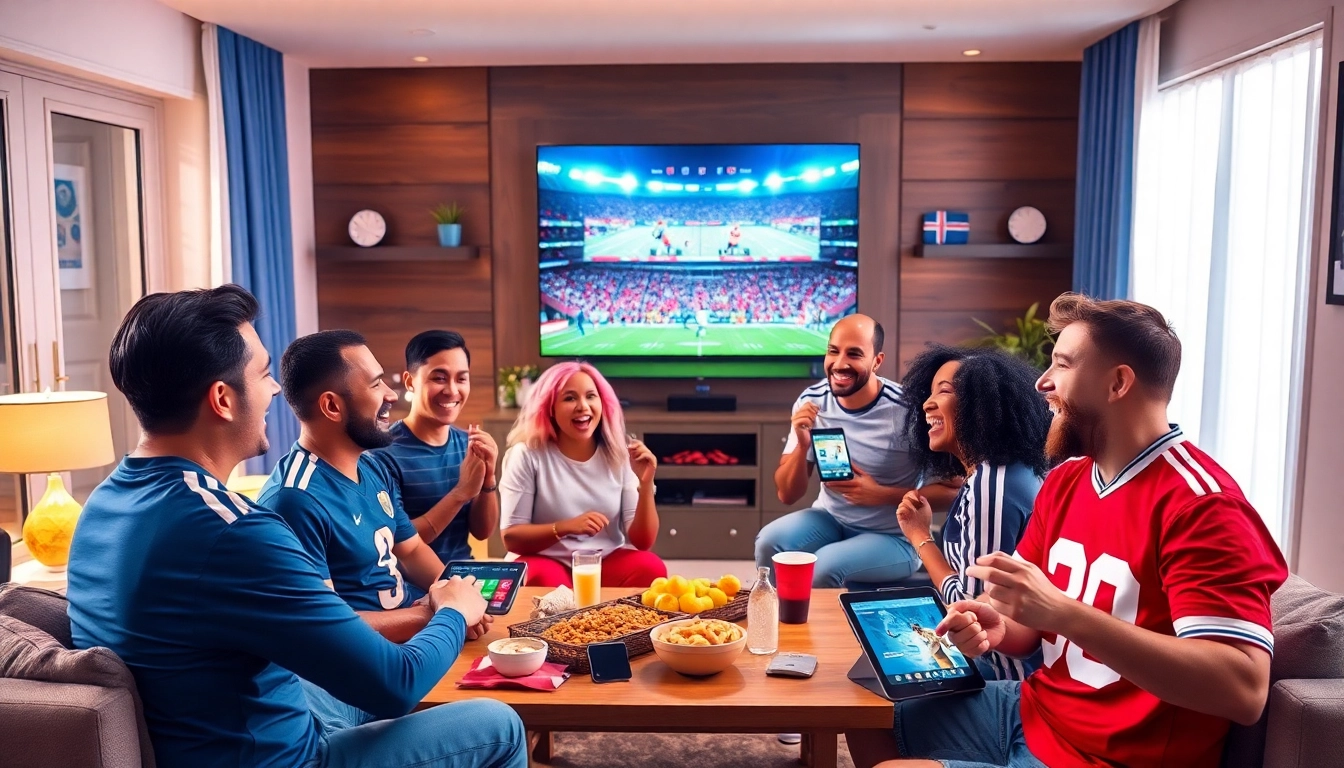
In today’s fast-paced world, the demand for real-time updates and in-depth analysis has transformed the way sports broadcasting is delivered. From traditional telecasts to live streaming on social media, Sports Broadcasting has become increasingly interactive, engaging audiences in unprecedented ways.
Key Components of Sports Broadcasting
Several key components form the backbone of successful sports broadcasting. These include:
- Commentary: Live commentary is the narratorial element that provides viewers with real-time insights, emotions, and analysis during a game.
- Graphics: Visual elements such as scoreboards, player statistics, and team logos help to enrich the viewing experience and keep the audience informed.
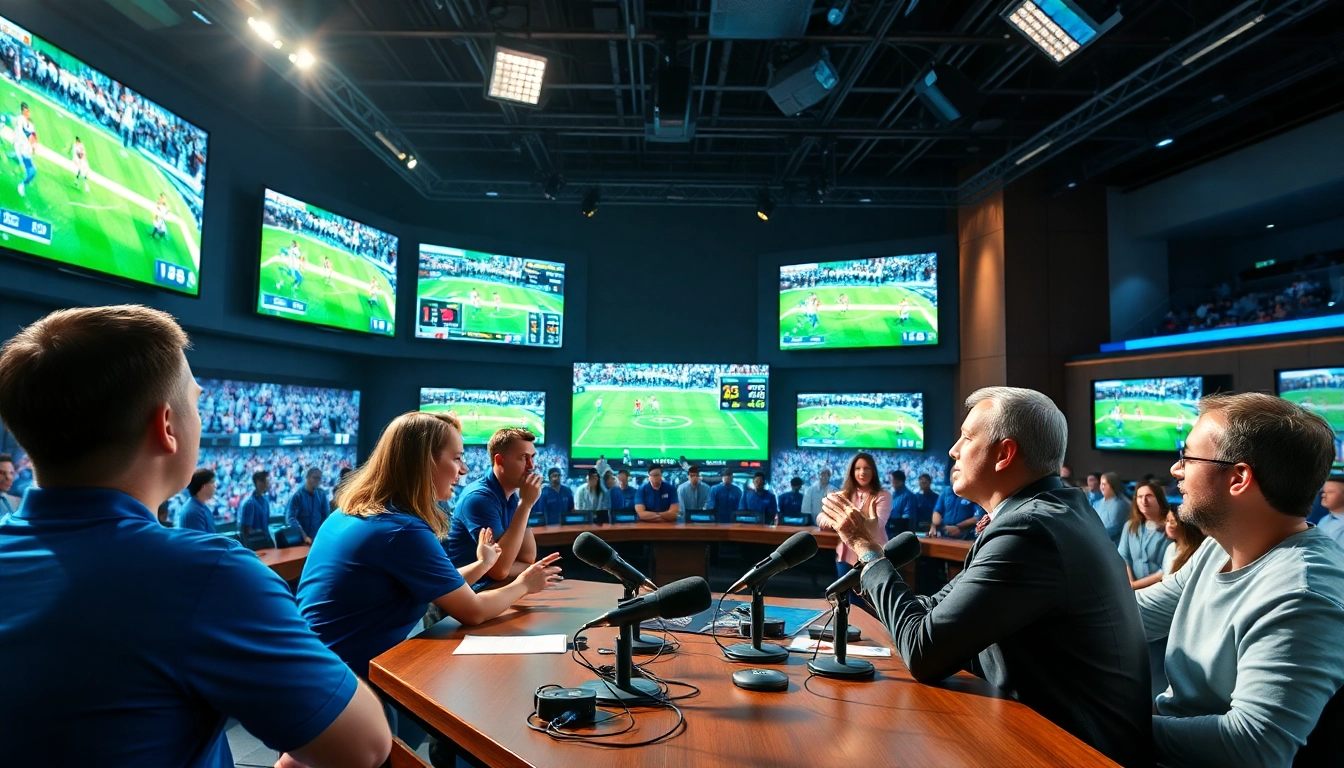
- Studio Analysis: Expert analysis segments often feature former athletes or analysts who break down performance, strategies, and pivotal moments.
- Interviews: Post-game interviews with players and coaches offer personal insights and can create emotional connections with viewers.
Types of Sports Broadcasting Formats
Sports broadcasting exists in several formats, each catering to different audience preferences:
- Live vs. Recorded: Live broadcasts are immediate while recorded shows may offer highlights and commentary after the event.
- Television vs. Radio: Television provides visual experiences, while radio focuses on audio commentary, making it ideal for on-the-go consumption.
- Streaming: Online streaming has surged in popularity, allowing viewers to watch games on-demand or through subscriptions.
- Social Media Broadcasting: Platforms like Twitter and Facebook enable live updates, quick highlights, and fan interactions.
Essential Equipment for Sports Broadcasting
Cameras and Shooting Techniques
The quality of visual content is paramount in sports broadcasting. High-definition cameras are essential for capturing the nuances of live action. Multiple camera angles, such as close-ups and wide shots, allow producers to create a richer narrative. Advanced techniques such as slow motion and aerial shots, often employed using drones, offer unique perspectives and improve viewer engagement.
Audio Equipment for Clarity and Impact
Clear audio is just as crucial as visual fidelity. Professional-grade microphones ensure that commentary is crisp and that ambient sounds, such as crowd reactions, enhance the experience. Additionally, sound mixers play a vital role in balancing different audio feeds, ensuring that commentary and game sounds are harmonized for the viewer.
Editing Software and Technologies
Post-production is the stage where initial footage is transformed into a polished broadcast. Cutting-edge editing software, such as Adobe Premiere Pro or Final Cut Pro, allows editors to stitch together various shots seamlessly. Furthermore, integrating graphics, effects, and transitions enhances storytelling while maintaining viewer interest.
Creating Compelling Content in Sports Broadcasting
Storytelling Techniques for Engaging Audiences
Compelling storytelling is central to effective sports broadcasting. Narratives can be built around team rivalries, athlete journeys, and critical game moments. Techniques such as foreshadowing, character arcs, and thematic development create emotional stakes, drawing viewers into the dramatic aspects of sports.
Incorporating Statistics and Analysis
Stats serve as a backbone for analysis, providing viewers with concrete data that complements on-screen action. Employing tools like advanced metrics, player comparisons, and historical context not only enhances the audience’s understanding but also adds credibility to commentary.
Utilizing Social Media to Enhance Broadcasts
Social media platforms are invaluable tools for engagement. Live tweeting during events, sharing behind-the-scenes content, and interacting with fans amplify the broadcasting experience. These channels can be leveraged to provide instant feedback, enhancing the viewer’s connection to the live event.
Challenges in Sports Broadcasting Today
Navigating Regulations and Rights Issues
Legal complexities surrounding broadcasting rights remain a significant hurdle. Licensing agreements can dictate where and how broadcasts can occur, impacting distribution strategies. Adherence to these regulations is essential to avoid costly violations and ensure that audiences receive unobscured access to desired content.
Adapting to Changing Technology
The rapid evolution of technology poses both challenges and opportunities. Broadcasters must frequently update their equipment and techniques to keep pace with innovations like 4K streaming and immersive content. Failure to adapt can result in obsolescence as audiences gravitate towards more modern viewing options.
Maintaining Audience Engagement in a Crowded Market
With a plethora of options available to viewers, retaining audience interest is increasingly difficult. To capture and maintain viewership, broadcasters need to differentiate their content through storytelling, unique camera angles, and interactive elements. Personalized viewing experiences also play a key role in building loyalty.
Future Trends in Sports Broadcasting
The Rise of Streaming Platforms
Streaming platforms are poised to redefine sports broadcasting. They offer flexibility and accessibility, attracting younger audience segments who prefer on-demand viewing. Subscription services also provide unique opportunities for exclusive content, transforming traditional revenue models.
Innovative Audience Interaction Methods
As audience interaction becomes more vital, innovative methods like real-time polling, live Q&As, and augmented reality experiences are emerging. These techniques forge a stronger bond between broadcasters and viewers, resulting in a more engaged fan base.
The Impact of Virtual Reality and Augmented Reality
Virtual reality (VR) and augmented reality (AR) are set to revolutionize how fans experience sports. VR can simulate being in the stadium while AR can overlay statistics and player information on a live feed, creating richer viewing experiences. These technologies usher in a new era where viewers can immerse themselves more deeply into the action.
Frequently Asked Questions
What is the difference between sports broadcasting and sports journalism?
Sports broadcasting primarily involves the real-time transmission of sports events, whereas sports journalism encompasses reporting, analyzing, and writing about sports news, events, and issues.
How has technology changed sports broadcasting?
Technology has revolutionized sports broadcasting through improved camera quality, interactive features, streaming options, and analytics that enhance storytelling and audience engagement.
What are the most important skills for a sports broadcaster?
Key skills include clear and engaging communication, strong analytical abilities, knowledge of sports, and the capacity to think quickly and adapt to live situations.
How can I start a career in sports broadcasting?
Starting a career in sports broadcasting typically involves obtaining a degree in journalism or communications, gaining experience through internships, and developing a strong portfolio of work.
What role do social media play in sports broadcasting?
Social media amplifies broadcasts by providing instant updates, engaging fans, sharing behind-the-scenes content, and fostering discussions, creating a more interactive viewer experience.